



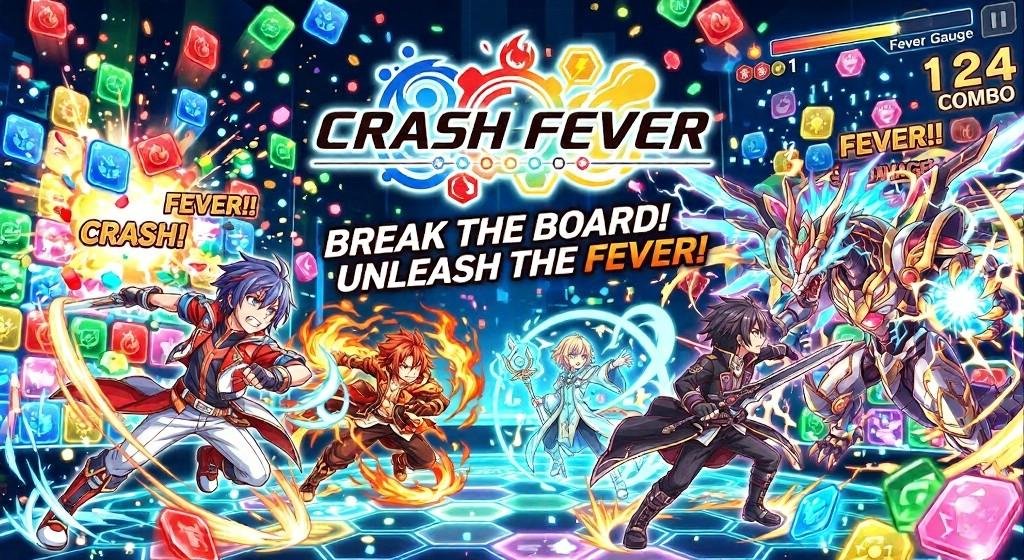
Before anything else, the context matters here. Crash Fever is a free-to-play mobile game by WonderPlanet. Its premise is easy to follow and quick to enjoy. The colourful, striking, and lively design stands out fast.
What pulled me in first was the look. As a review point, that part works very well. The anime style feels bold, bright, and full of motion. It gave me the same jaw-drop surprise I felt with Summer Wars.
That mood also reminded me of Mamoru Hasoda. The world feels busy, digital, and made to impress. As someone who studies game mechanics, I noticed that first. It clearly aims at a younger crowd that once yearned to play for free.
The Gacha system is there from the start. That shapes how the game feels over time. Even so, the fast matching has a light Koi-koi kind of tension. So my first take on Crash Fever is style before depth.
Gameplay

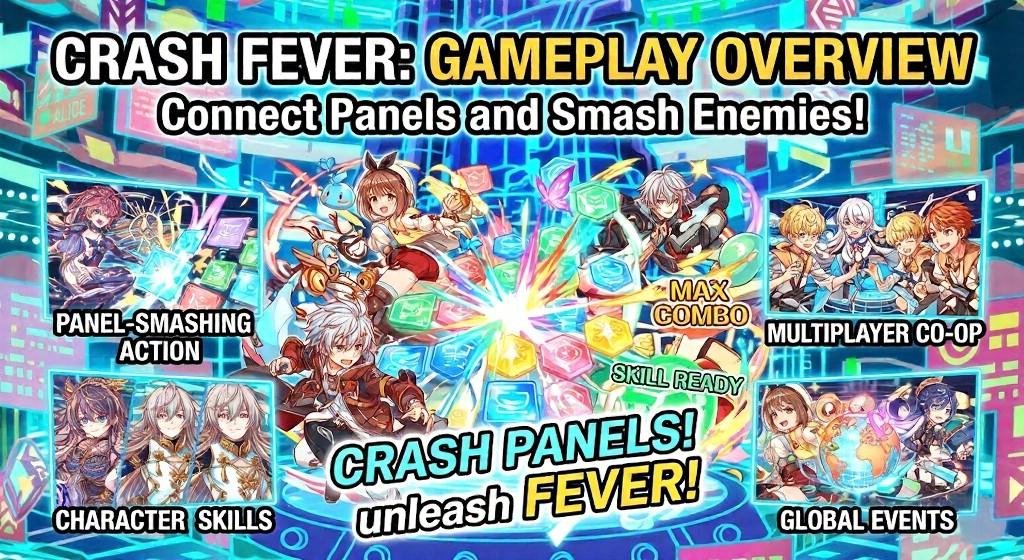
After visuals, the gameplay kept me curious longer. Its solid feel shows in every tap and drag. I noticed sharp responsiveness and satisfying puzzle impact early. That strong first feel supports the gameplay loop.
Hours later, it still feels refined, not messy. A smart player can progress with planning and time. Still, some pressure around money and pay-to-win exists. The Gatcha system mirrors trends across the wider market.
Pull luck matters because powerful units change many situations. They shape the current meta and define the best units. During events, I saw the balance shift more than expected. That also affects rankings, especially for competitive grinders.
I checked Reddit and Discord after rough sessions. The community feels lively, not fake or forced. I met nice people who explained team choices well. That support made frustrating losses easier to accept.
Core system
The concept behind the core system feels easy. It echoes Tsum-Tsum, Cooking Mama, and Let’s Cook Puzzle. Bright icons guide each match through fast clicking. From my experience, the packed screen still stays clear.
Making long chains brings strong bonuses quite fast. That is where strategy, planning, and payouts connect. Smart moves unlock better bonus effects for each character. A full meter can trigger Fever Mode at once.
Small groups can work better than random spam. You watch the timer while building clean attacks. Those turns raise damage or help units recover. This balance matters most when facing a boss.
Game balance
With basics already understood, game balance shapes every choice. My review found its pressure strongest in the mid-game. Gacha luck matters, but planning still controls progress. That tension decides whether units feel fair or not.
Some low rarity picks outlast flashy high rarity pulls. I kept weak units for specific fights and roles. Their abilities worked well with matching types and tribes. Sometimes one smart Skill fixed poor numbers completely.
The combat system rewards timing, routing, and clean combos. A strong Crash Skill can swing dangerous turns fast. The element wheel decides damage effectiveness across colours. Green checks Red, while Yellow pressures Blue.
In the late game, gaps inside your library become clear. Some units peak only near the endgame resource limits. Strong teams blend burst, control, and layered abilities. That mix keeps game balance sharp without pure Gacha luck.
Combat and Party System
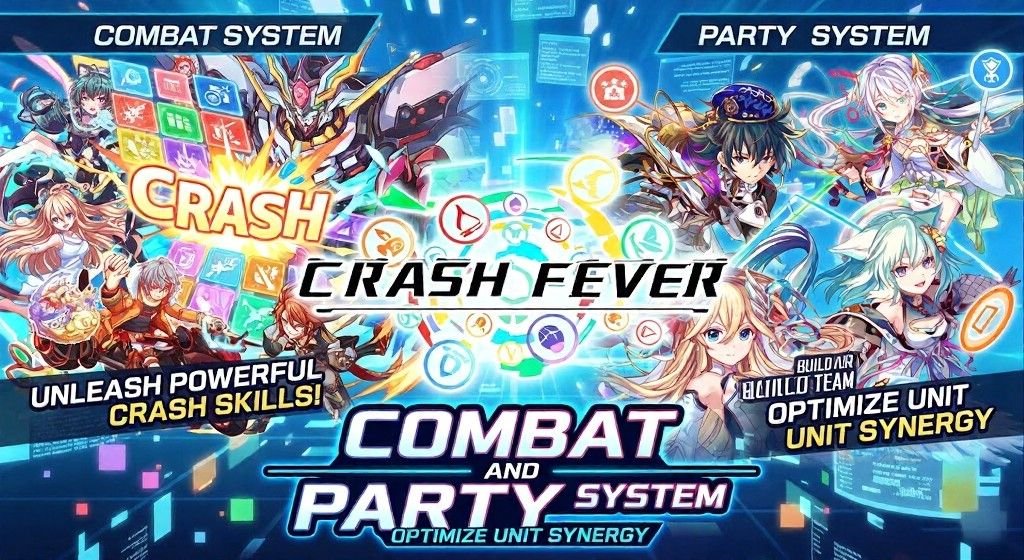
While the first topic sets the mood, I judge combat next. For me, the party system is the real test. It looks bright, but its complexities appear very quickly. That shift shaped my full review of the game.
The opening sections feel smooth on a mobile screen. The level ladder starts with Easy and Normal fights. Soon, Hard stages ask for better preparation and timing. That early rise teaches the core mechanics well.
Later, Expert, Legendary, Wizard, and Ultimate push harder. These dangerous dungeons expose the most difficult aspects quickly. You cannot just tap and hope to beat everything. You must read patterns, build smart teams, and protect ranks.
The grind also depends on the energy bar each day. Your initial rolls matter more than many fans admit. Good pulls from Gatchas can smooth rough battles early. Still, skill and preparation often save weak starts.
What I like most is how the party system evolves. Strong mechanics keep later combat from feeling empty. I learned that patient builds handle the complexities better. That is why these modes stayed interesting for me.
Polygons and Units

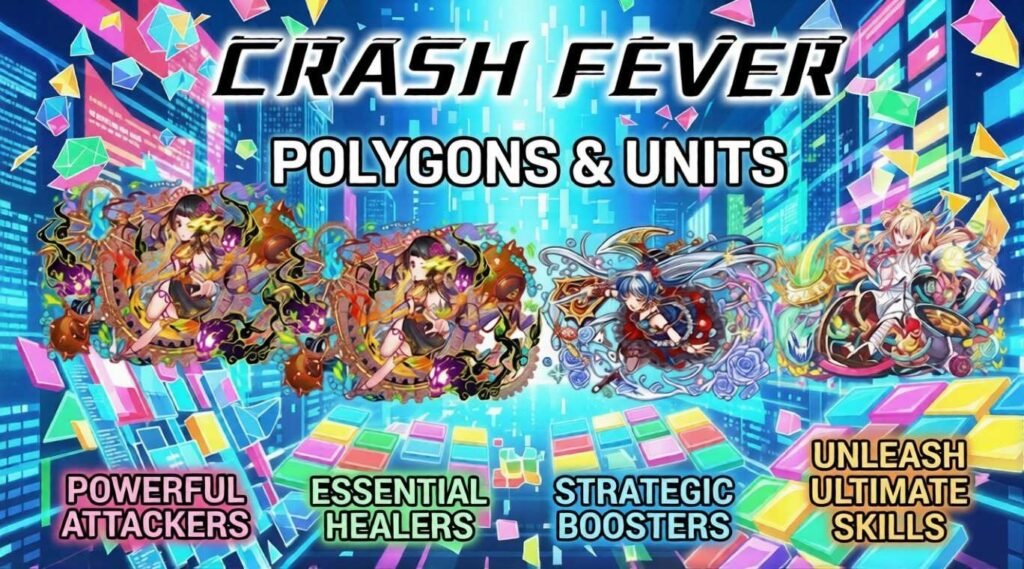
With the first topic in mind, I move to units. This is where Polygons start to shape real value. I watched how premium choices affect long-term progress. Each roll spent from in-game currency feels important.
The chase for top-tier picks is very real. Fever Festivals and Ranking Hatchers raise that pressure fast. Still, smart composition matters more than one flashy team. From experience, solid mechanics beat hype in most runs.
Good design appears in gimmicks, not only raw damage. Many permanent units stay useful through board control and healing. I liked how Rapunzel supports while Mordred pushes an attack. Matching blues, yellows, and hearts keeps turns flexible.
The deeper layers show up against tough enemy counters. That is where composition decides if your team survives. I found balanced units more reliable than pure top-tier picks. For me, that makes Polygons feel strategic, not just lucky.
Content Flow
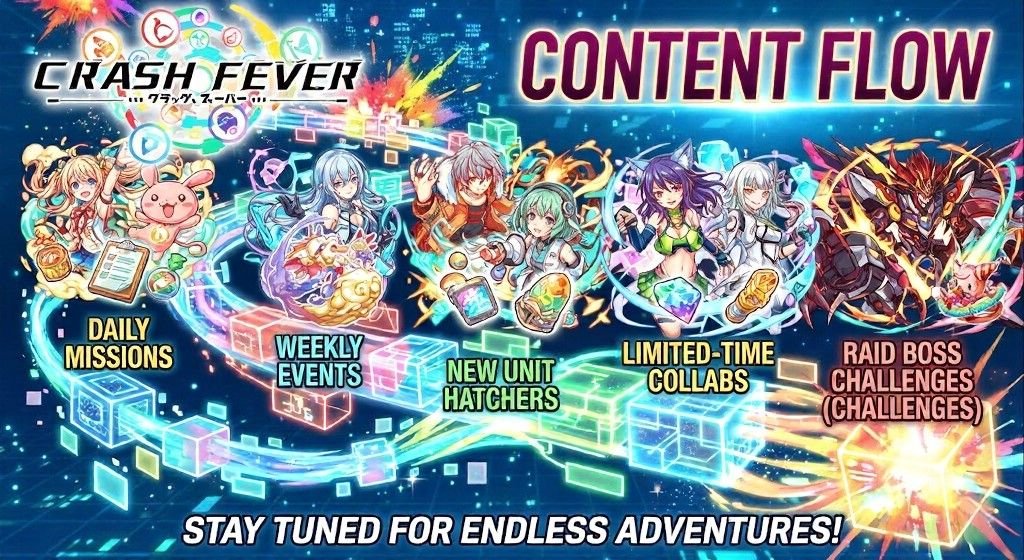
Keeping the first topic in view, I turn to content. This is where WonderPlanet shows its long-term planning. From my time with the game, the pace feels very deliberate. It tries to keep each player active without long silences.
Regular special events and constant notifications drive that rhythm. The steady rewards make it easy to jump in daily. Still, too many pop-ups can feel overwhelming when you start. At times, the screen feels flooded with tasks and offers.
The bigger issue is the fear of content drought. I saw this most clearly with mid-term players chasing units. That creates a real dilemma: continue for the long haul or quit. Many complain when updates favour numbers over fresh ideas.
I was reminded a little of Pokémon GO at times. Both rely on loops, urgency, and occasional bugs. Yet Crash Fever gives enough content to hold attention longer. That balance kept me playing, even when flaws showed.
Progress System
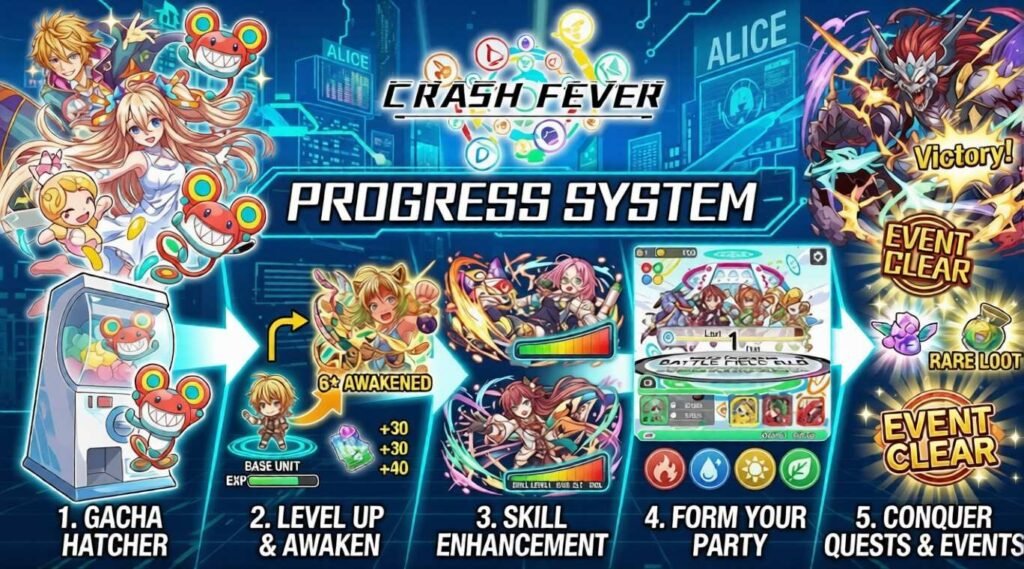
Keeping the first topic in mind, I move to progress. This part shows how the game measures player growth. The main campaign works as the first real benchmark. It also sets the pace for the wider campaign loop.
I often compare it with Puzzles and Dragons in structure. Both use steady goals, but Crash Fever adds more story. Its characters, whether waifu or husbando, push engagement forward. That emotional hook makes routine stages easier to follow up on the article.
The real wall appears in maxing units and the grind. This is where you start to measure time, gains, and speed. Later, PvP-like pressure enters through Ranked Quests. That shift changes how you view progress over time.
From my experience, the system does not fully implement balance. It rewards patience, but not every player likes repetition. Still, the main campaign gives a clear benchmark early on. After that, the campaign opens into a deeper progression track.
Gaming Overview Table:
| Aspect | Overview |
| Game Type | A mobile puzzle RPG with anime-style visuals and fast, colourful combat. |
| Gameplay | Players tap and chain panels to trigger attacks, combos, and special skills against enemy waves. |
| Setting & Style | Set in a vibrant virtual world, with a flashy sci-fi aesthetic and energetic presentation. |
| Key Features | Team building, character collection, co-op play, event stages, and powerful skill-based battles. |
| Monetization | Free-to-play with a gacha system for obtaining characters and upgrading team strength. |
FAQ’s
Q. What is Crash Fever about?
Ans: Crash Fever is a free-to-play mobile puzzle RPG by WonderPlanet. It mixes anime-style visuals with fast panel-matching combat.
Q. What makes Crash Fever visually appealing?
Ans: The game stands out with bright colours and a lively digital style. Its bold anime presentation gives it a flashy and energetic feel.
Q. How does the gameplay feel in Crash Fever?
Ans: The gameplay feels smooth, responsive, and satisfying from the start. Each tap and drag supports a fast and polished puzzle loop.
Q. Is Crash Fever more about style or depth?
Ans: At first, Crash Fever feels more focused on style than depth. Later, its mechanics and team building add more strategy.
Q. How important is the gacha system in Crash Fever?
Ans: The gacha system plays a big role in shaping long-term progress. Strong units can greatly affect battles, events, and rankings.
Q. How does Fever Mode work in Crash Fever?
Ans: Fever Mode activates when your meter fills through successful matches. It gives you a strong burst of power during battle.
Q. Is the game balance fair for free-to-play players?
Ans: The balance is mixed because strong pulls can make progress easier. Still, low-rarity units can stay useful with the right setup.
Q. What is the party system like in Crash Fever?
Ans: The party system becomes more important as the difficulty rises. You need smart team building to handle harder dungeons and bosses.
Q. Is Crash Fever worth playing in the long term?
Ans: It offers enough events, progression, and variety to stay engaging. However, grind, pop-ups, and gacha pressure may not suit everyone.
Conclusion
Crash Fever shines with bold style and satisfying gameplay. Its colourful world makes a strong first impression quickly. Combat feels polished, responsive, and rewarding in many moments. That charm kept me interested longer than expected.
Still, gacha pressure affects balance and long-term progression. Strong units can make difficult content much easier. Yet strategy, timing, and team building still matter. Smart planning often beats pure luck in battle.
Overall, stylish, fun, and worth trying fit it well. It offers depth beyond its flashy presentation over time. However, grind and monetisation may frustrate some players. For me, its strengths still outweigh its flaws.


Welcome to Gaming Station! I’m Hussain Umer, an AI-Powered SEO and Content Writer with 4 years of experience. I help websites rank higher, grow traffic, and look amazing. My goal is to make SEO and web design simple and effective for everyone.
Let’s achieve more together!