
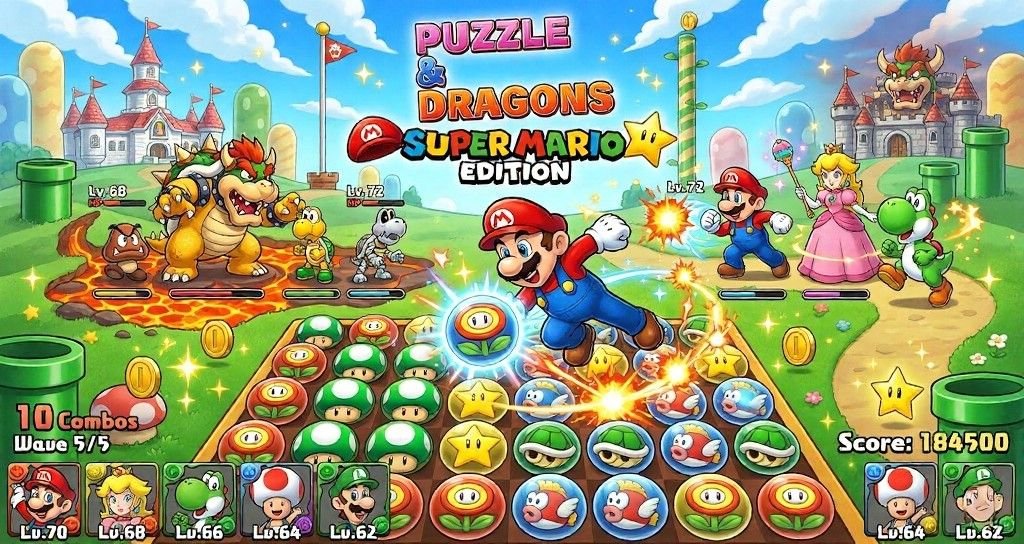
I first played this Puzzle Mix on 3DS. At the time, that crossover feeling felt surprisingly fresh. It kept Mario and Dragons in context, not costume. Unlike many games, this Edition knew its identity.
The Super charm recalls Mario Bros. energy instantly. Yet the Z structure gives battles a tighter rhythm. That balance made me adore this version quickly. It never chased my daily gaming routine aggressively.
Many mobile titles stay free-to-play through stamina walls. This one prefers pure adventuring over the Rare hunt. No premium-monster, Egg, or Machine pressure feels pricey. The opposite choice by developers creates fun first.
Those substantial changes are carefully reshaping a popular formula. The cleaner design avoids the usual detriment of premiums. It can remove shallow features while improving experiences. That restraint keeps things exciting, ever-changing, and still growing.
Features:
Gameplay
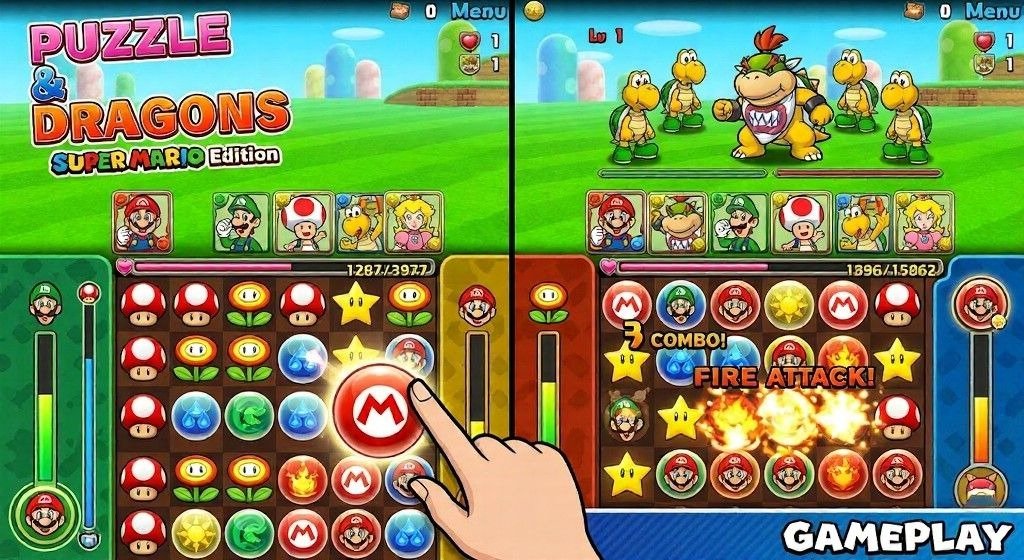
After Puzzle and Dragons set the stage, Gameplay shines. At first, the system feels unfamiliar, yet quickly clever. It blends match-three puzzling with a collectable card game. That mix adds light role-playing depth without slowing the pace.
You assemble a team of five monsters and one leader. That group faces a horde of dragons, demons, gods, and superhumans. Once collected, they help you venture through bright dungeons. Each enemy wave keeps encounters varied and combat lively.
The 6X5 puzzle board asks you to match three. Link orbs by colour to attack waiting foes. A single orb shift can open better matches. Longer combos bring boosts, plus healing during rough spots.
The best turns reward calm thinking over fast turns. With practice, tricky rooms become readable with surprising ease. I noticed that flow after several late-night sessions. That steady learning curve shows a smart handheld design.
Monster Types and Team Building
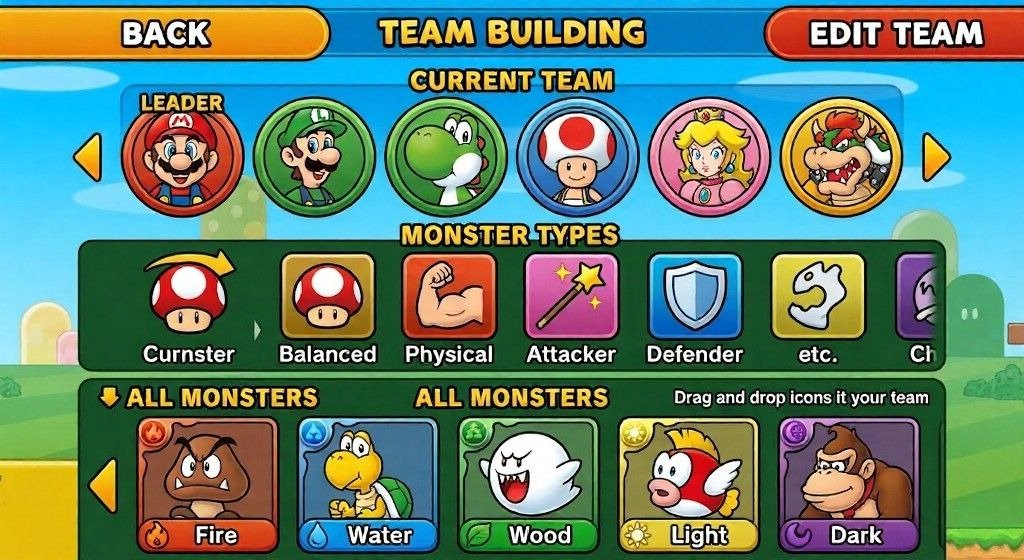
The core puzzle loop leads into team depth well. Each monster type brings unique statistics and attributes. Its colour matters, but hidden roles matter more. That layered balance kept me testing setups longer.
Some special skills come from the leader slot. These passive, always-on bonuses raise health points and attack. A good multiplier can reward clean combos every round. From experience, that choice shapes every battle first.
Other active, single-use abilities trigger direct effects. They help with changing an orb field or healing. Later, an awakened Mario unit adds extra value. Those perks feel smart when properly applied.
Still, monsters need careful weighing and smart building. Raw stats matter, but support considerations stay crucial. For steady success, I value balance over flash. That works best in short dungeon romps.
You also gather materials to evolve and transform allies. A focused killer squad can solve harder rooms. That loop makes each puzzle win more satisfying. It gives progression real purpose, not empty numbers.
Mario Theme vs P&D Z Presentation
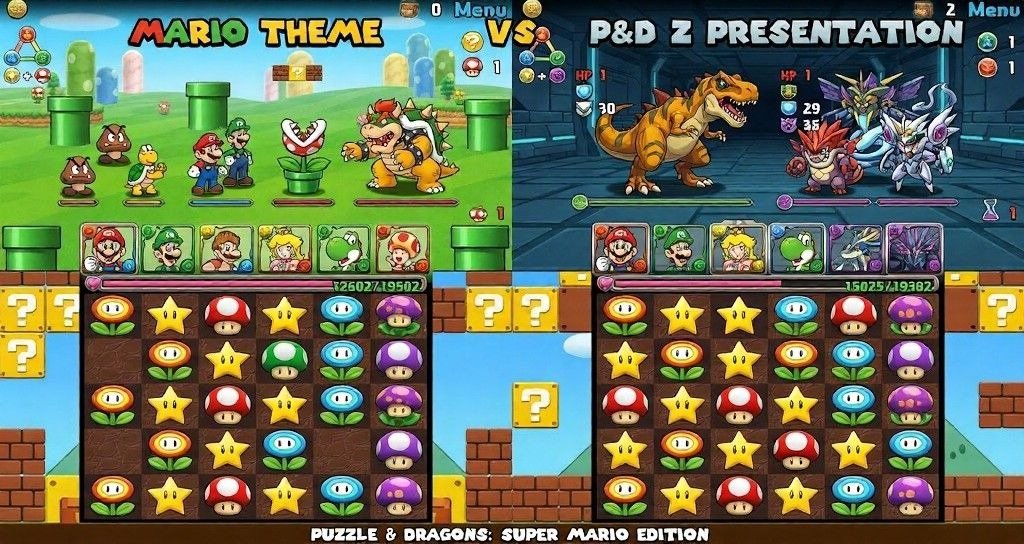
The Puzzle and Dragons base remains easy to spot. Yet Z and Mario bring two different creative approaches. Their formula changes most through presentation, not structure. That contrast became clearer during my second play session.
This is not a full reskin of Super style. The theme works by replacing fierce gods and towering dragons. In the mobile original, scale felt darker and stranger. Here, Luigi, Toad, and familiar baddies soften everything.
The result feels more kid-friendly and more story-driven. Its adventure follows an evil organisation and legendary Skydragons. That setup helps reshape the world beyond a cosmetic swap. From a standpoint of tone, it stays broadly appealing.
Still, the game openly reuses New music and visual assets. That choice saves effort, but keeps identity a little split. A Blooper dragon looks funny, not fully natural. A baby beast beside a hulking god-lizard proves that.
Differences Between the Two Versions
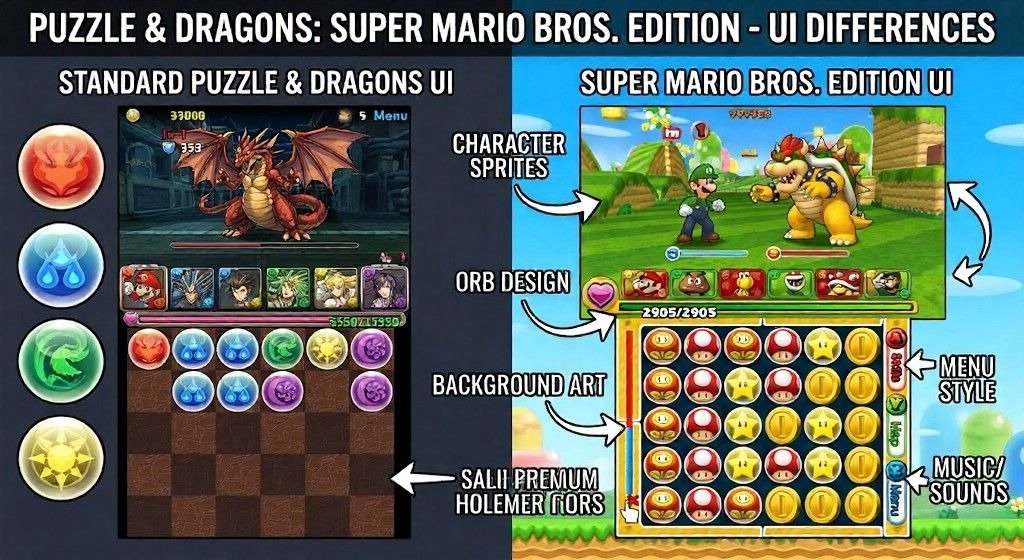
Beyond the cosmetic differences, the systems are split clearly. P&D Z builds on an old game first released. It reached Japan in late 2013 with distinct ideas. That history gives this comparison more weight.
The handheld release simplifies the mobile structure in places. It uses single-colour-attribute monsters more often than expected. That choice makes sorting roles faster in battle. From my view, it also helps pacing.
One significant change involves awakened skills and growth. The active skill system also feels trimmed back. Its pool of skill points is carefully utilised. Over time, that makes planning easier, not shallow.
Once you learn enough, Mario feels closer to newcomers. It also feels more modern than its structure suggests. The lack of multi-attribute builds limits some depth. Still, skill-up options and small boosts feel satisfying.
Combat stays more traditional and more turn-based overall. That slower style changes how pressure and recovery work. I noticed it rewards patience more than quick reactions. This version values clarity over pure system density.
Removal of Free-to-Play Systems
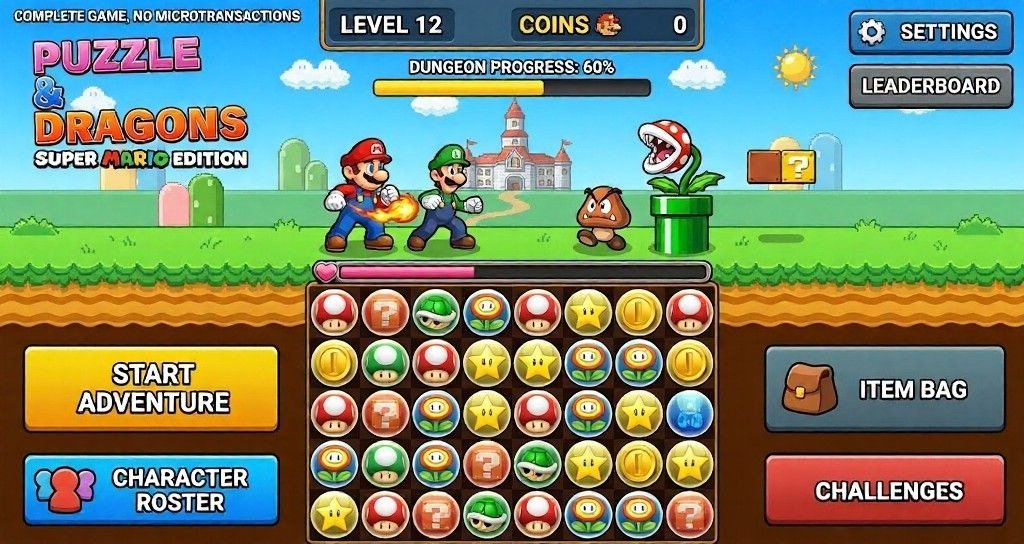
The earlier system matters, but this key difference stands out. The mobile shift comes through the removal of systems. Those systems were associated with in-app purchases and pressure. They often fuel spending through time gates.
Here, no money loop feeds a reward machine. That cuts the usual free-to-play standard from progression. The stamina meter no longer limits how long you play. For me, that made sessions feel more relaxed.
Your squad still gains experience through dungeons and fights. Unlike the phone model, failure needs a new reading. A sacrifice-based adjustment was implemented for retries. It involves wiping progress if you lose.
Still, some earned rewards continue to matter. Certain loot and drops can stick when you bail. A one-up from your stash keeps decisions pressing. That trade feels cleaner than paying to recover.
Tutorial Friction
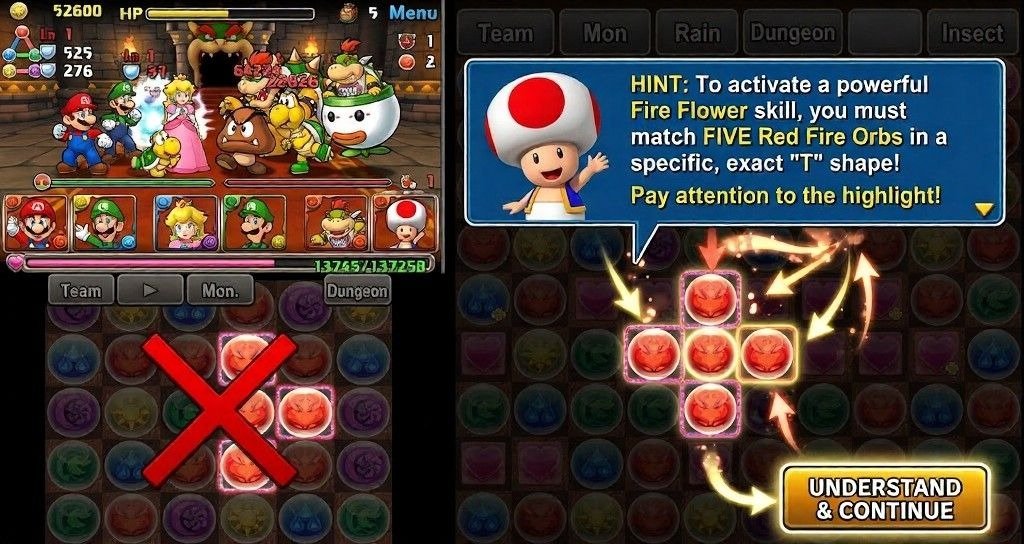
The early difficulty curve feels oddly shaped. This game was sold to new people first. Yet anyone who played the mobile release feels experienced. An old orb-slinger may get terribly bored early.
The first worlds fall fast, with enemy groups wiping easily. Most starter teams win with relative ease. I noticed that drift within my opening hour. There is no option to skip tutorials either.
Those introductory lessons and dialogue drag more than needed. You cannot choose silence over constant hearing of advice. Then, about halfway through, battles grow considerably harder. That jump feels weirdly unfair at times.
A no-healing-orbs dungeon can punish a weak team. Some members must change the orb field quickly. Without healing, one smart, active skill becomes essential. That late demand arrives with little warning.
Upgrade Materials
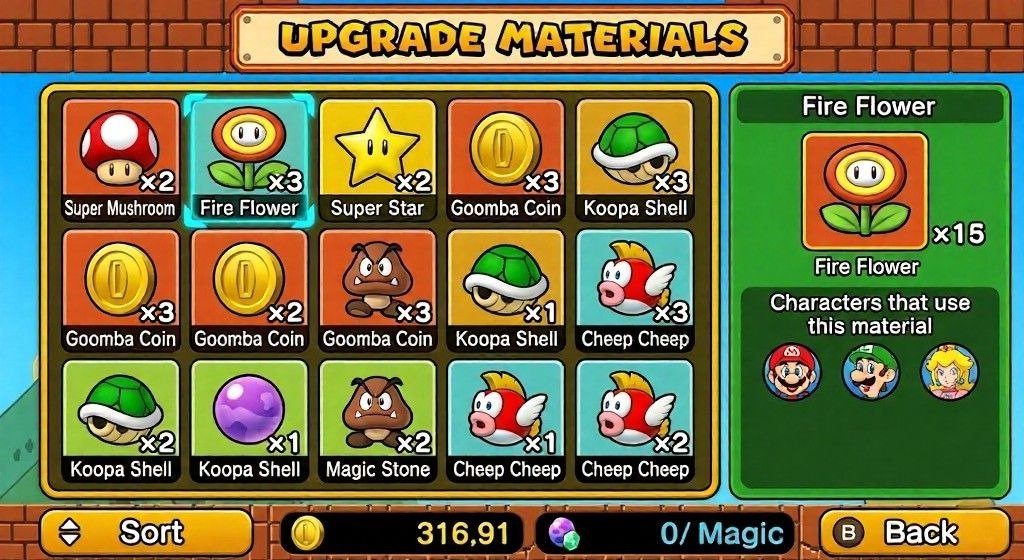
The core progression works, but one major issue remains. That problem is the grind behind growth systems. Unlike the mobile model, this one sets fixed goals. Still, many dungeons stay centred on farming.
You spend time earning the materials needed to upgrade. Strong monsters often need parts that rotate. The pattern follows a consistent schedule over time. That can test patience more than skill.
Some stages open by a specific day or week. A few runs offer better drops than others. Later upgrades require rare chips, coins, and medals. Even regular fights may hide useful pieces.
Too many rewards still drop at low rates. That repetition starts forcing long sessions to progress. When rare parts fail to appear, disappointment grows quickly. From experience, that drag hurts momentum badly.
Because of random items and currency needs, progress stalls. By halfway, each upgrade can feel like a crapshoot. The system has logic, but not enough mercy. That makes planning harder than it should be.
Gaming Overview Table
| Category | Overview |
| Title | Puzzle & Dragons: Super Mario Edition |
| Platform | Nintendo 3DS |
| Genre | Puzzle / Role-Playing Game |
| Core Gameplay | Players match colored orbs to attack enemies, activate abilities, and clear stages using Mario-themed characters. |
| Key Highlight | Combines the match-3 mechanics of Puzzle & Dragons with the world, enemies, and charm of the Super Mario series. |
FAQ’s
Q. What is Puzzle & Dragons: Super Mario Edition?
Ans: A 3DS puzzle RPG with Mario-themed battles. It mixes match-three action with light role-playing elements.
Q. How does the gameplay work?
Ans: Match three orbs to attack enemies and heal. Longer combos increase damage and improve battle results.
Q. What makes this version different?
Ans: It removes stamina walls and premium-monster pressure. The focus stays on adventure instead of monetisation.
Q. Why is the gameplay enjoyable?
Ans: Battles reward planning more than fast reactions. The learning curve feels smooth and satisfying.
Q. How important is team building?
Ans: Team setup strongly affects combat performance. Leaders, skills, and balance matter in every dungeon.
Q. How is the Mario theme presented?
Ans: Mario characters replace darker fantasy creatures. This makes the tone friendlier and more familiar.
Q. Is the game beginner-friendly?
Ans: Early stages are easy for new players. Later difficulty spikes can feel sudden and harsh.
Q. What are the game’s biggest strengths?
Ans: Clever puzzle combat keeps battles fun. Mario charm adds warmth and broad appeal.
Q. What are the main weaknesses?
Ans: Tutorials feel slow and cannot be skipped. Grinding upgrade materials can hurt pacing badly.
Q. Is it worth playing today?
Ans: Yes, especially for Mario and puzzle fans. It remains charming despite some grind issues.
Conclusion
In the end, Puzzle & Dragons: Super Mario Edition feels smart. It blends Mario charm with puzzle RPG depth naturally. Combat stays fun by rewarding planning over speed. That balance makes this crossover feel memorable today.
Its best strengths are clear identity and fair progression. Removing stamina walls keeps the adventure more honest. The Mario theme adds heart without weakening mechanics. That makes the journey feel fresh and rewarding.
Still, slow tutorials and material grind hurt momentum. Those flaws never erase the game’s lasting appeal. For Mario fans, this remains an easy recommendation. It is a creative, polished, and enjoyable 3DS adventure.

Welcome to Gaming Station! I’m Hussain Umer, an AI-Powered SEO and Content Writer with 4 years of experience. I help websites rank higher, grow traffic, and look amazing. My goal is to make SEO and web design simple and effective for everyone.
Let’s achieve more together!