
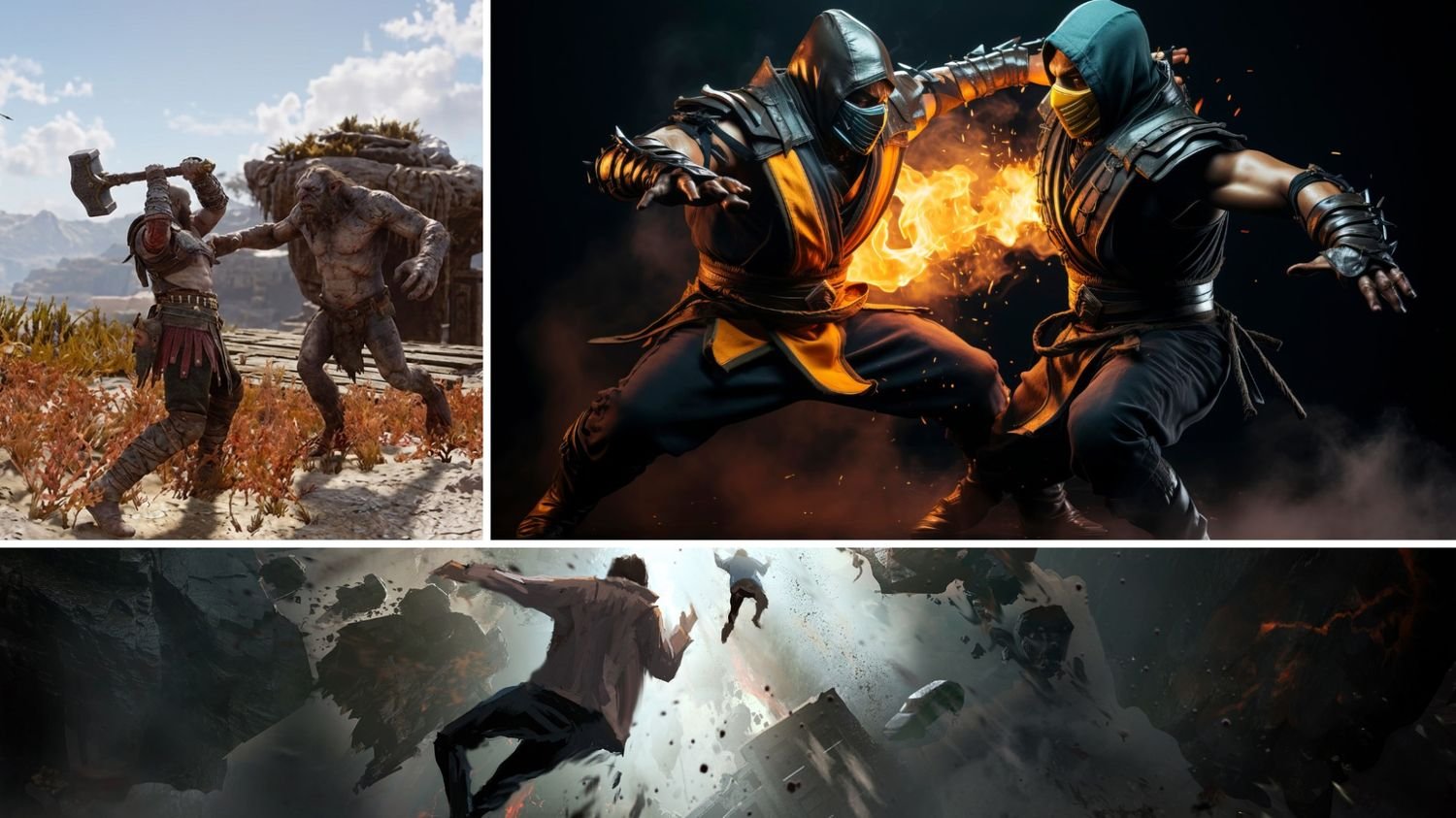
When people talk about Action, they often call it an odd video game genre label, especially after 2026. Most mainstream games we play in any given year feature some form of fast fights, from Monster Hunter Wilds to Death Stranding 2 on the Beach.
The line between styles has become messy, and you can see it at The Game Awards, where voting often scrambles titles with excellent combat into a number of possible categories like Best Action-Adventure or Best RPG. It makes you mean to rethink what the best action game really is these days.
For me, it’s not just about the overall show but what stands at the forefront—tight systems that reward skill. I’ve been giving this a lot of thought as awards season approaches, constantly asking which titles truly excel in moment-to-moment battles.
This year feels great to reflect on that question. With so many fantastic players learning to master complex dances of attack and dodge, there’s no shortage of titles released with blockbuster-worthy thrills that proudly wear the genre like a badge of honor.
Hades 2
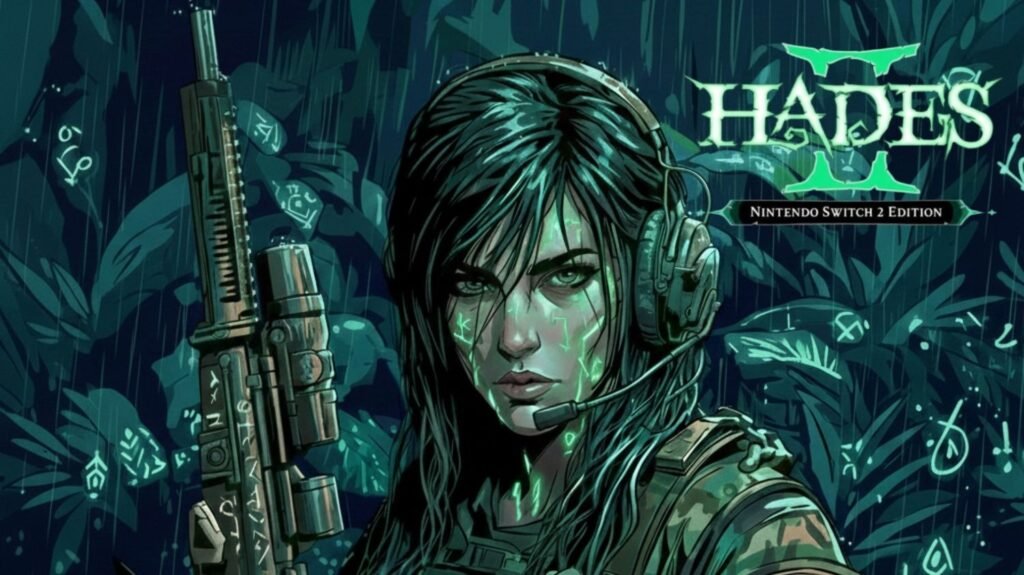
Hades 2 shows why Supergiant’s roguelike sequel still leads the genre. It doubles down on what made its predecessor so magnetic, and while some critics try to leverage a glut of resources or a shaky narrative, the action remains unimpeachable.
With just a small handful of weapons and core moves, the game somehow feels like a million different things are possible from one button. The boon system lets players mix and match perks to create distinct, powerful builds that change every fight.
Some of my favorite gaming moments this year came from assembling a wild hodgepodge of boons that made Melinoë almost invincible. I once wiped a room full of enemies in seconds, and it felt like the joy of pouring a dozen sodas into a cup at a movie theater just to see what kind of concoction I had made.
Ghost of Yōtei
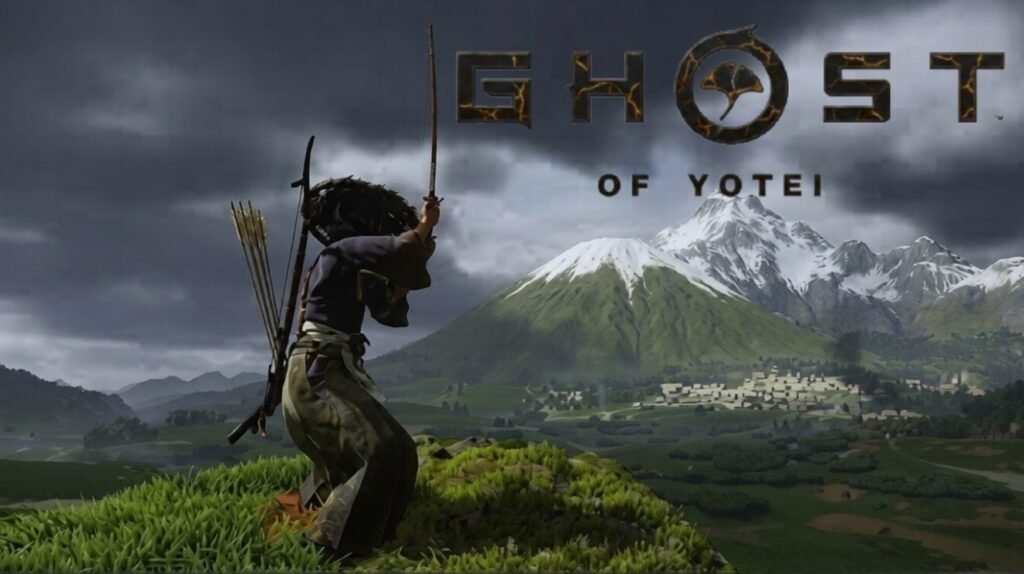
Ghost of Yōtei stands out this year, and Sucker Punch Productions proves why the developer still earns so much credit. The gorgeous world design and fluid exploration pull you in, but it’s the combat that truly deserves flowers.
Instead of simple players who just swing a katana with alternating light and heavy attacks, the game offers a wealth of tools and techniques for creative battles. You can use stealth, assassinating guards, enter a tense standoff with your wolf companion, or finish fights in an instant with smart options.
Every bloody improv routine in battle feels personal, and my favorite touch is how Atsu can pick a dropped weapon and launch it at a far enemy, becoming an inescapable tornado of violence. The studio has been steady in pushing post-launch updates, mostly bug fixes, but that is changing next week as the developers are giving the player base a long-awaited feature they’ve been requesting since the game was released last month.
Ninja Gaiden 4
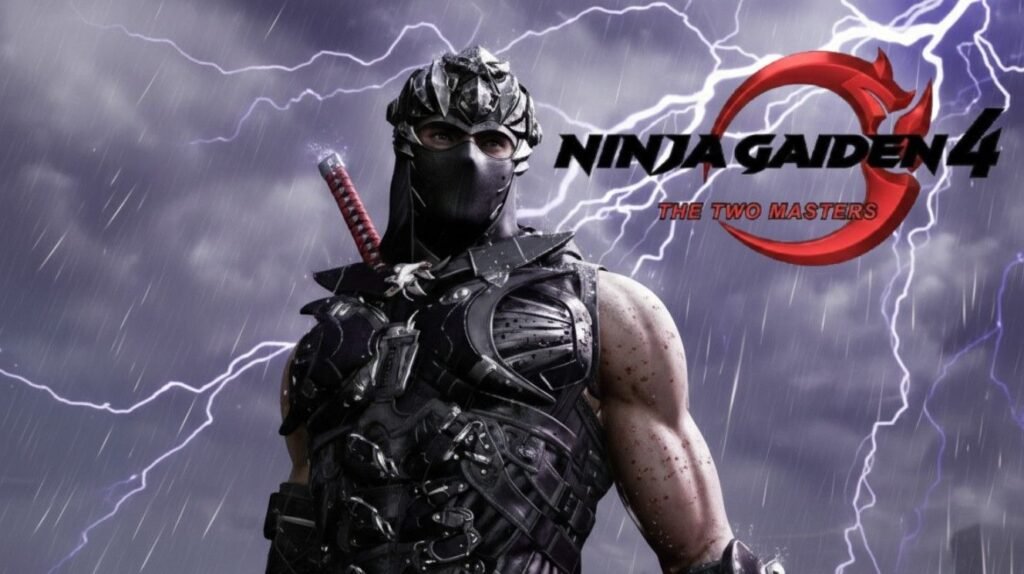
Seeing Ninja Gaiden 4 on this list is no surprise. When Xbox revealed that PlatinumGames and Team Ninja were leading development, I knew this return would be fierce, building on the name they’ve shaped over the years.
Known for creating the slickest action, especially showcased in the Bayonetta series, the studio keeps that strength here. The game is offering an ultra-fast and fluid battle system, filled to the brim with combos, tricky techniques, and creative weapons that tear through enemy limbs in ways that barely seem possible.
Once you lock into its flow state, you feel like the star of a violent ballet, the clear antithesis of Soulslike design. There is no space for patience; just keep moving.
Ninja Gaiden: Ragebound
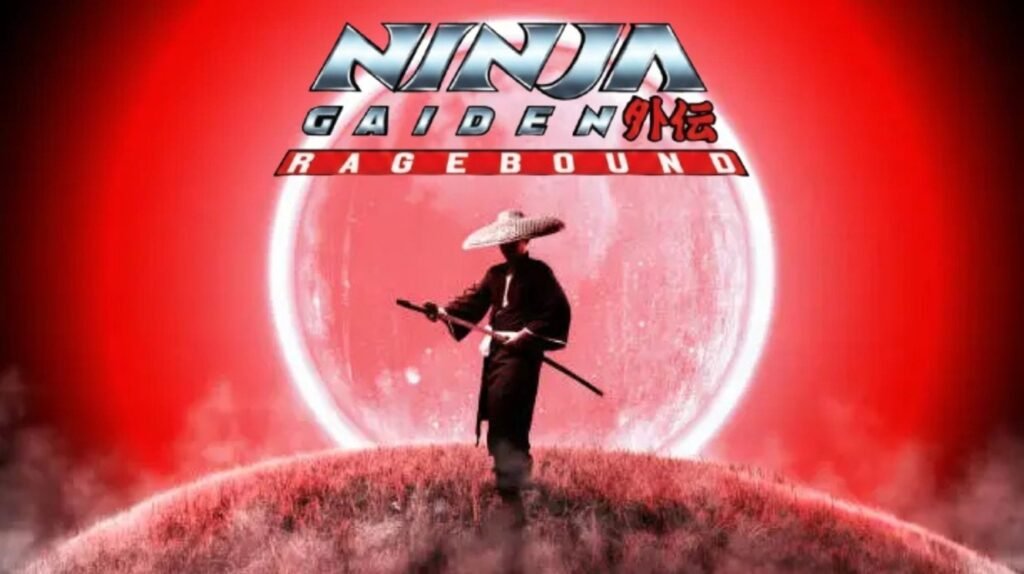
It may feel surprising to see two games from the same series on this list, particularly after the 3D action style of Platinum Games. Yet Ninja Gaiden Ragebound, crafted by The Game Kitchen, proves that a 2D sidescroller can still be difficult in modern days.
The combat is more focused, with less emphasis on complicated combos or complex maneuvers, but that’s exactly why it works. This retro gaming assignment delivers impact sword strikes that cut through enemies with satisfying ease.
Smart movement-based Pogo attacks and a standout hyper-charge mechanic let players kill even powerful foes in one glorious slash. It respects the old-school formula, keeping the era’s soul intact while adding just enough to stay exciting and streamlined for today’s audience.
Shinobi: Art of Vengeance
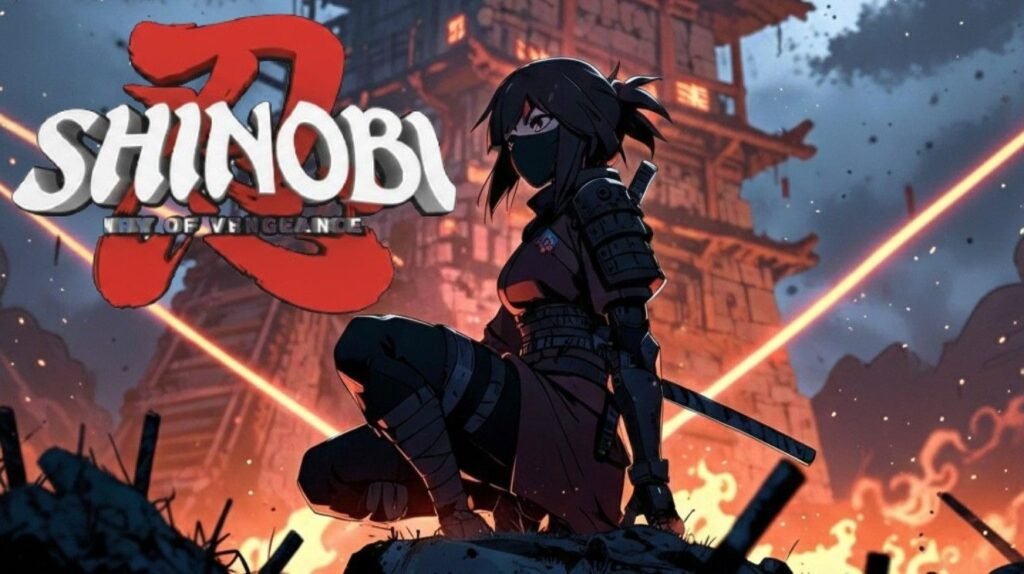
After the retro focus of Rage-bound, Shinobi: Art of Vengeance takes 2D combat in a louder direction. While there are surface similarities, it intelligibly sets itself apart with fast, furious action that reminds me of Super Smash Bros., which is no surprise.
That energy makes sense, knowing Lizardcube, the developers behind the excellent Streets of Rage 4, are involved. The approach to fights is about pressing your advantage, building momentum, and linking chain attacks without pause.
It delivers a sharp thrill, close to Ninja Gaiden 4, but with extra style and pizzazz in every execution. From my time with it, the rhythm of each combo feels tight and deliberate, rewarding players who stay bold and aggressive.
Absolum
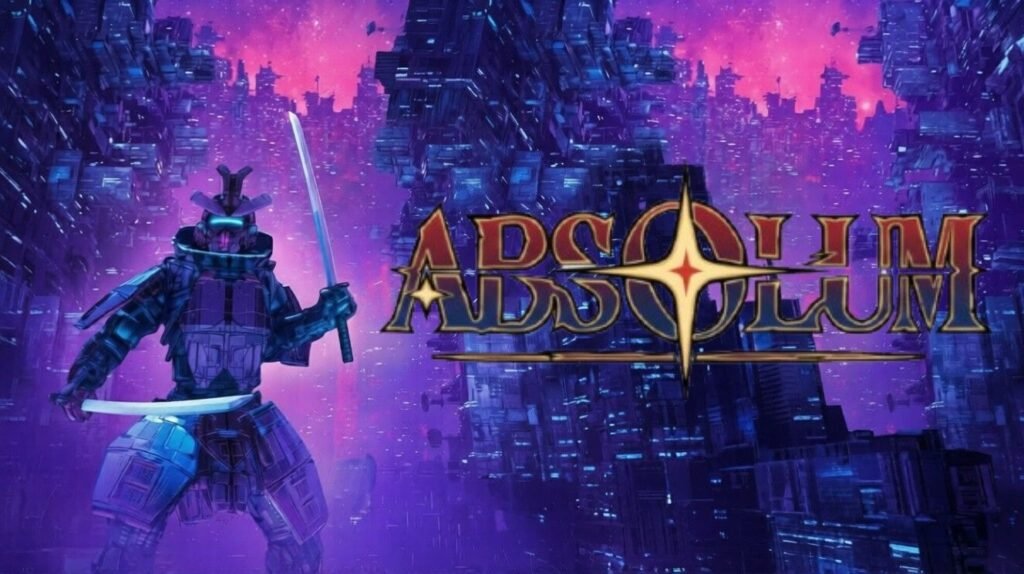
From the studios behind Streets of Rage 4, Absolum has clearly earned its spot on this list. This rogue-like brawler builds on what Dotemu has worked on before, delivering an original fantasy shoot-’em-up whose combat stands among the genre’s best.
At first glance, it looks like a casual button masher on the surface, but it’s filled with small nuances. As you unlock new techniques through the meta progression system, the depth slowly reveals itself.
Everything changed for me when I unlocked Brome, the frog mage who uses his tongue and spells to chain attacks into enormous combos. On my first run clear, I was juggling the final boss without taking a single attack, and that pure power fantasy is what keeps me coming back for the rest.
Wizard of Legend 2
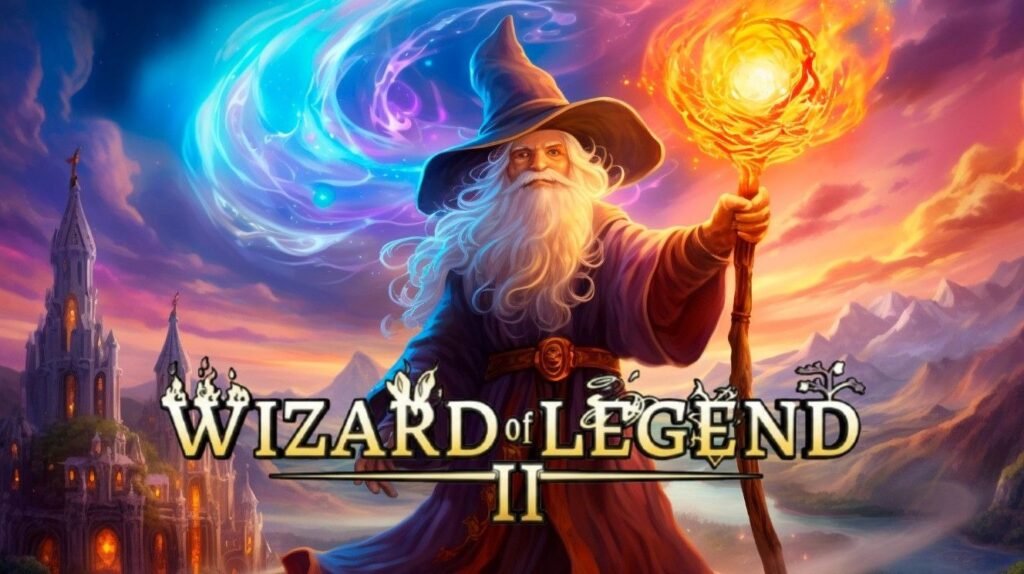
On paper, Wizard of Legend 2 may seem like a competent but unremarkable action roguelike. From an isometric perspective, you mix and match elemental spells like fireballs, thunderbolts, tornado storms, and dragon blizzards to fight through hordes of enemies across tight levels.
Where it truly stands out is its cooperative mode, especially when playing locally with a friend. You can craft divergent builds, unleash magic twice as fast in your runs, and even enjoy playful haggling over an ice spear or portable earthquakes.
That shared delight leads to pure, riotous destruction you can concoct together, one of the real high points of games in 2025, as even Ari Notis once highlighted.
Blade Chimera
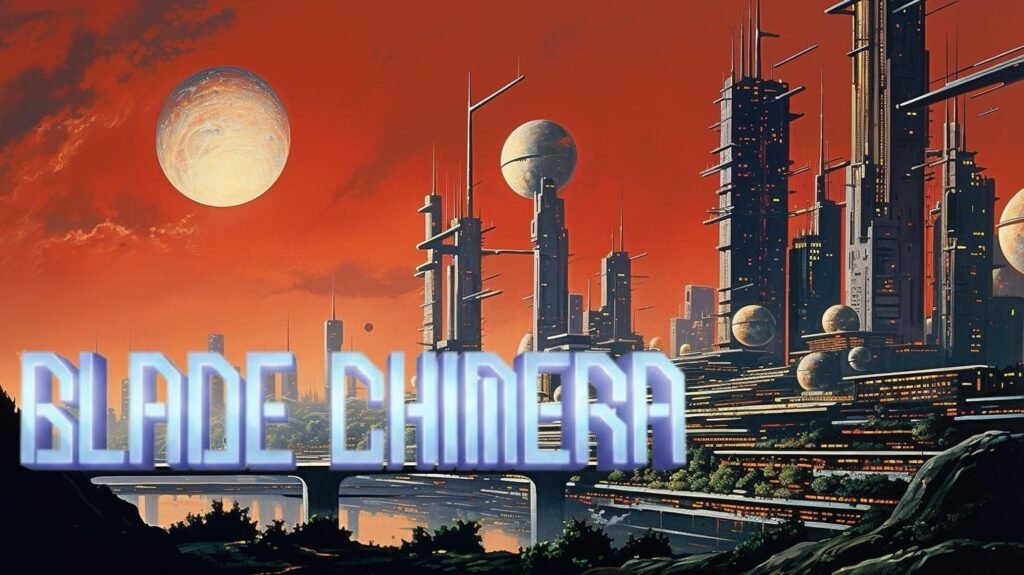
This year, one title that truly became the talk of the town is Blade Chimera. While fans still whisper about Hollow Knight Silksong, this game quietly earned real love for its bold take on the action genre.
Developed by Team Ladybug and published under WSS Playground, it feels inspired by Castlevania and Metroid. Yet it never feels copied, even though it pulls heavily from classic Metroidvania roots.
The core combat is sharp, fast, and full of thrilling moments. Its smooth 2D design hides deep aspects of timing and positioning that reward real skill.
You can mix and match different weapons, from heavy guns to close-range melee tools. Add magical powers, and suddenly every fight feels fresh.
Your main edge is a living demon sword that acts as both companion and tool. It helps you attack, defend, and even shape your build in ways that change your playstyle.
The upgrade system gives players the freedom to experiment. I often spent hours tweaking my setup just to try a new combo and find a better way through hidden paths.
The challenging bosses test your patience and strength. During the intense Hunter’s March, I had to experiment constantly just to survive each phase.
What makes Blade Chimera stand out is how its varied design respects old-school ideas while pushing them forward. It doesn’t just follow Hollow Knight; it builds its own identity within the Metroidvania space.
Shotgun Cop Man
After heavy titles on this list, Shotgun Cop Man feels surprisingly elegant. It’s a funny game at first glance, but this minimalist action platformer hides real depth.
The big twist is simple: you jump using the power of your shotgun. Every blast throws you into the air, turning movement into controlled recoil.
In each level, the goal is not just to avoid traps like buzzsaws. You must keep blasting enemies while moving forward in one smooth, dynamic flow.
This clever design creates a tight mini-shooter that truly rewards players who can think two steps ahead. Each enemy becomes a small puzzling moment.
You plan how to blast forward, clear a spike pit, and survive dodging a laser at the same time. I often replayed stages just to master that rhythm.
It may not be as grand or loud as Battlefield 6, but that’s the point. Landing a perfect shot feels more satisfying than spraying an entire clip without control.
Marvel’s Guardians of the Galaxy
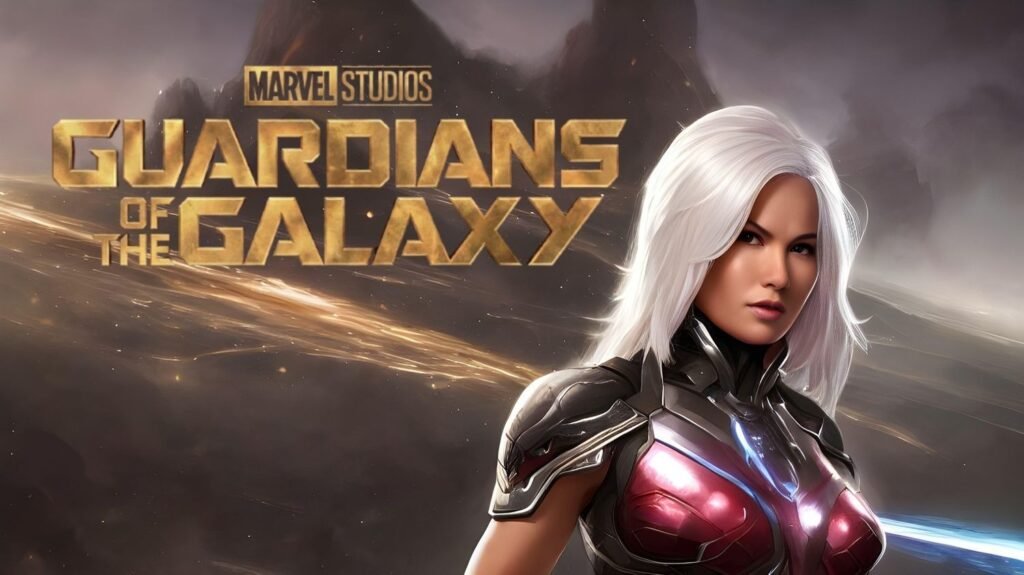
I strived away from the Marvel Cinematic Universe years ago because the movies kept getting longer, and I just didn’t have infinite time for 20 films of backstory. If you still enjoy Marvel but want anything more concise, this is the fun action game to try.
Marvel’s Guardians of the Galaxy delivers a self-contained tale about the titular band of puckish space rogues. You’re traveling across the stars, meeting friends, making enemies, and battling a burgeoning intergalactic cult.
Unlike sprawling RPGs, Guardians of the Galaxy is a strictly linear affair. There are little branching paths and points of interest, but the focus stays on action and story, which kept me fully engaged with its best qualities.
At times, you walk slowly while characters trade banter. Still, the dialogue is amusing enough that these relatively infrequent moments never feel annoying.
FAQ’s
Q: Who is the main protagonist in Hades II?
A: You play as Melinoë, Princess of the Underworld, who sets out to defeat the Titan Chronos.
Q: Is Ghost of Yōtei connected to Ghost of Tsushima?
A: Yes, it is set in the same universe but features a new story and setting.
Q: Does Ryu Hayabusa return in Ninja Gaiden 4?
A: Yes, Ryu Hayabusa returns as the main playable character.
Q: What style of gameplay does Ninja Gaiden: Ragebound feature?
A: It features fast-paced 2D side-scrolling action inspired by classic entries in the series.
Q: What genre is Shinobi: Art of Vengeance?
A: It is an action-platformer focused on ninja combat and precision movement.
Q: What type of game is Absolum?
A: It is a fantasy action RPG with roguelike elements and stylized combat.
Q: Does Wizard of Legend 2 include multiplayer?
A: Yes, the game supports cooperative multiplayer.
Q: What kind of setting does Blade Chimera take place in?
A: It is set in a cyberpunk world with supernatural elements.
Q: What makes Shotgun Cop Man unique?
A: The game uses shotgun recoil as both a combat and movement mechanic.
Q: Is Marvel’s Guardians of the Galaxy based on the MCU movies?
A: No, it features an original story separate from the Marvel Cinematic Universe.

Welcome to Gaming Station! I’m Hussain Umer, an AI-Powered SEO and Content Writer with 4 years of experience. I help websites rank higher, grow traffic, and look amazing. My goal is to make SEO and web design simple and effective for everyone.
Let’s achieve more together!